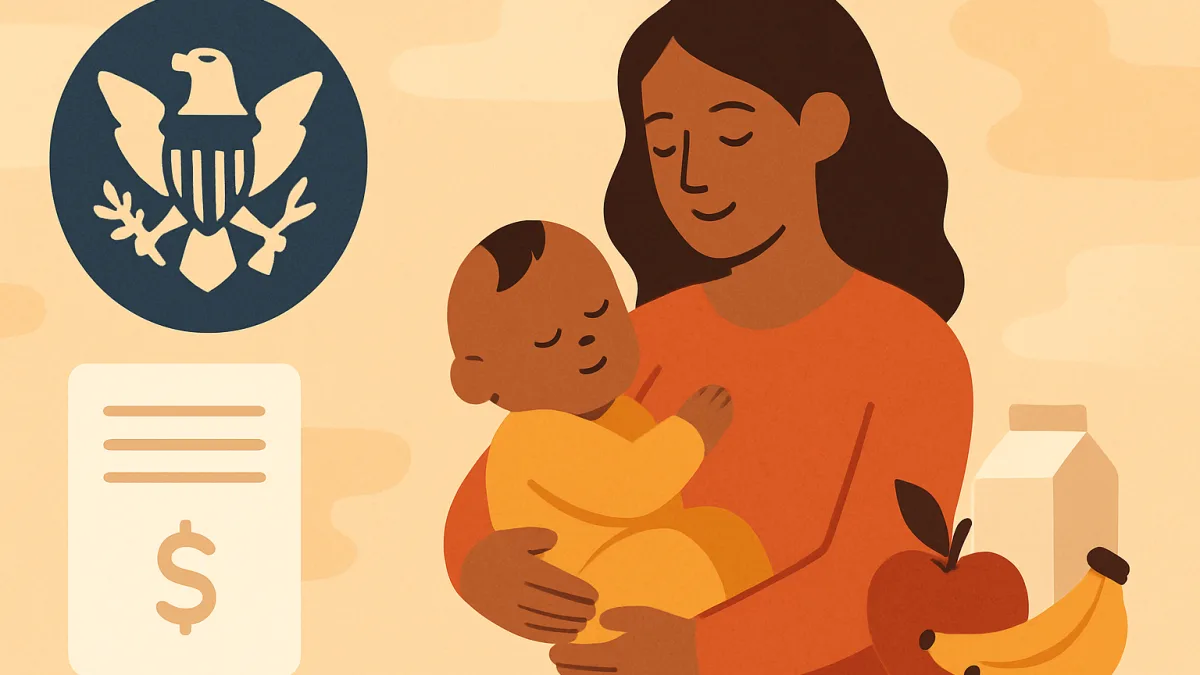
The Special Supplemental Nutrition Program for Women, Infants, and Children, better known as WIC, is a federal program that helps families afford healthy food during some of the most important stages of life. Run by the U.S. Department of Agriculture and delivered through state and local agencies, WIC supports pregnant women, new mothers, infants, and young children with nutritious foods, education, and referrals to other services. This program is vital for ensuring that families have access to the nutrition they need during critical developmental periods.
Anúncios
Who WIC Serves
WIC is designed for specific groups who have higher nutritional needs. You may be eligible if you fall into one of these categories:
- Pregnant women
- Women who are breastfeeding, up to the infant's first birthday
- Women who recently had a baby, for up to six months after delivery
- Infants up to their first birthday
- Children up to their fifth birthday
Fathers, grandparents, foster parents, and other guardians can also apply on behalf of an eligible child. This inclusivity ensures that all children, regardless of their living situation, can receive the benefits they need for healthy growth and development.
Cursos Gratuitos con Certificado:
Aumenta tu salario con cursos online.
Ver cursosYou will stay on this siteWhat Benefits You Receive
WIC is more than just food assistance. The program focuses on improving health outcomes through a combination of services that cater to the unique needs of mothers and children.
Anúncios
Healthy Foods
Participants receive benefits to purchase specific nutritious foods such as:
- Milk
- Eggs
- Whole grains
- Fruits and vegetables
- Infant formula
- Baby food
Many states now load these benefits onto an electronic card, called an EBT card, which you can use at approved stores. This makes it easier to shop for healthy food. Each state may have a different list of approved items, so it's important to check the specifics for your area.
Nutrition Education and Breastfeeding Support
WIC provides personalized nutrition counseling, healthy recipes, and tips for feeding young children. Participants can learn how to prepare nutritious meals on a budget, which is especially valuable for families facing financial challenges. Breastfeeding mothers can access support from peer counselors and may receive breast pumps and other resources to help them succeed in breastfeeding their infants.
Referrals to Other Services
WIC staff connect families to essential services such as:
- Immunizations
- Prenatal care
- Dental care
- Health screenings
By providing these referrals, WIC helps families access comprehensive healthcare and support, ensuring that both mothers and children stay healthy.
How to Qualify
Eligibility for WIC is based on three main factors:
- Category: You must be a pregnant or postpartum woman, an infant, or a child under five.
- Income: Your household income must fall at or below the program limit, which is tied to federal poverty guidelines. Families already receiving SNAP, Medicaid, or TANF often automatically meet this requirement, making the application process easier.
- Nutritional need: A health professional checks for nutrition-related risks, such as being underweight or having a poor diet. This assessment helps determine the level of need for assistance.
Because income limits change each year, it is best to check the official program site for current figures. Typically, your income must be at or below 185% of the federal poverty level to qualify for WIC.
How to Apply
WIC applications are handled by your state or local WIC agency. To get started, follow these steps:
- Contact your local WIC agency: Find the agency in your area to schedule an appointment. You can look up your local agency on the official USDA WIC page at https://www.fns.usda.gov/wic.
- Attend your appointment: During this meeting, WIC staff will check your eligibility and complete a brief health and nutrition screening. Come prepared with the necessary documentation.
- Bring required documents: You will need to provide:
- Proof of identity for yourself and your child (such as a birth certificate or ID)
- Proof of where you live (such as a utility bill or lease agreement)
- Proof of income, or documentation that you receive another assistance program (pay stubs, tax returns, or benefit letters)
The application process is straightforward and typically takes less than an hour. After approval, you will receive your benefits and can start shopping for healthy foods.
Why WIC Matters
Decades of research show that WIC participation is linked to healthier pregnancies, better birth outcomes, and improved nutrition for young children. The program reaches millions of families each year and is one of the most effective public health investments in the country. By providing access to nutritious foods, education, and additional healthcare resources, WIC plays a critical role in promoting the health and well-being of vulnerable populations.
Common Mistakes to Avoid
When applying for WIC, it’s easy to make mistakes that could delay your benefits. Here are some common pitfalls to avoid:
- Not bringing required documents: Make sure to gather all necessary paperwork before your appointment. Missing documents can lead to delays or denial of benefits.
- Assuming you’re not eligible: Many families mistakenly believe they earn too much to qualify. If you’re unsure, it’s always worth applying, as the income limits are higher than many expect.
- Ignoring follow-up appointments: After enrolling, you may need to return for periodic assessments. Missing these can result in losing your benefits.
- Not utilizing educational resources: Take advantage of the nutrition education and breastfeeding support offered by WIC. These resources can greatly benefit your family’s health.
Practical Tips for Maximizing WIC Benefits
To get the most out of your WIC experience, consider these practical tips:
- Plan meals around WIC foods: Create a meal plan using the foods covered by WIC to make your shopping more efficient and cost-effective.
- Join WIC cooking classes: Many local agencies offer classes on cooking healthy meals using WIC foods. These can provide you with valuable skills and recipes.
- Network with other WIC participants: Connecting with other families can provide support, tips, and ideas on how to best utilize your benefits.
- Keep up with program changes: Be aware of any changes to the WIC program in your state, including updates to eligible foods or income guidelines.
Frequently Asked Questions
1. How long can I receive WIC benefits?
You can receive WIC benefits as long as you meet the eligibility criteria, which typically lasts until your child turns five or until you no longer qualify due to income or other changes.
2. Can I use WIC benefits at any grocery store?
No, WIC benefits can only be used at authorized retailers. Check with your local agency for a list of approved stores in your area.
3. What should I do if my income changes?
If your income changes, it’s important to notify your local WIC agency as it may affect your eligibility. They can provide guidance on your next steps.
4. Can fathers apply for WIC benefits for their children?
Yes, fathers, grandparents, foster parents, and other guardians can apply on behalf of an eligible child. This inclusivity ensures that all families have access to necessary resources.
If you are expecting a baby or caring for a young child and money is tight, WIC may be able to help. There is no harm in applying, and the screening process is quick. Reaching out to your local agency is the first step toward giving your family a healthier start.