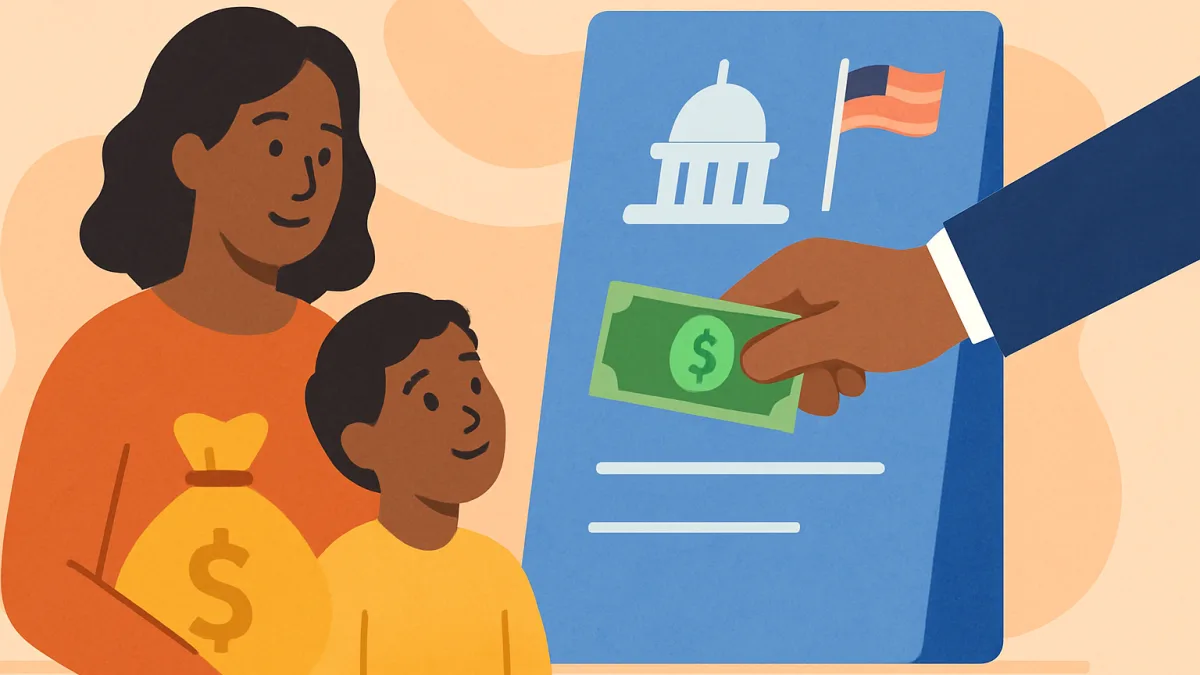
Temporary Assistance for Needy Families, known as TANF, is a federal program that helps low-income families with children achieve greater stability and self-sufficiency. TANF provides temporary financial support along with services designed to help parents find and keep work. If you are wondering what TANF is and how it can help families, this guide covers the essentials.
Anúncios
What Is TANF?
TANF is a federal block grant program, meaning the federal government provides funding to states, and each state designs and runs its own program within federal guidelines. Because of this structure, TANF programs vary widely from state to state in their names, benefit amounts, and specific rules. You can find more information and links to state programs at https://www.benefits.gov.
The program has four broad goals: helping needy families care for children at home, reducing dependency by promoting work and marriage, preventing out-of-wedlock pregnancies, and encouraging two-parent families. In practice, most people know TANF as a source of monthly cash assistance and work support.
Cursos Gratuitos con Certificado:
Aumenta tu salario con cursos online.
Ver cursosYou will stay on this siteHow Does TANF Help Families?
TANF offers more than just cash. Depending on your state, the program may provide a combination of financial help and supportive services, such as:
Anúncios
- Monthly cash assistance for basic needs
- Help with child care so parents can work or attend training
- Job training and employment services
- Education and skill-building programs
- Transportation assistance
This combination is meant to address immediate needs while helping parents build a path toward long-term financial independence. By providing both financial support and access to necessary resources, TANF aims to empower families to improve their situation over time.
Who Qualifies for TANF?
Eligibility rules are set by each state, but some common factors apply across the country. Generally, to qualify you must:
- Be a resident of the state where you apply
- Have a child under a certain age, or be pregnant, in most cases
- Meet income and resource limits
- Be a U.S. citizen or qualifying noncitizen
Detailed Eligibility Criteria
While the above criteria are common, eligibility varies by state. Here are some factors that may affect your application:
- Age of Children: Many states have specific age requirements for children. For example, some may require the child to be under 18 or even under 5.
- Income Limits: States set income limits based on the Federal Poverty Level (FPL). Typically, families must earn below a certain percentage of the FPL to qualify.
- Asset Limits: In addition to income, some states consider household assets. This could include savings accounts, cars, and other property. For instance, some states may limit assets to $2,000 for a family of three.
Work Requirements
A defining feature of TANF is its emphasis on work. Most adults who receive assistance are expected to participate in work activities. This can include:
- Employment
- Job searching
- Training programs
- Community service
States set their own specific requirements, and some applicants may be exempt due to circumstances such as caring for a very young child or having a disability. It is essential to understand your state's work requirements to ensure compliance and maintain eligibility.
The Meaning of "Temporary"
The word "temporary" in TANF is significant. Federal law generally limits the amount of time a family can receive federally funded TANF cash assistance over a lifetime. States may set shorter limits or offer extensions in certain hardship cases. This time limit reflects the program's focus on helping families move toward self-sufficiency rather than providing permanent support. For example, the federal limit is typically five years, but some states may impose a two-year limit or provide extensions for families facing specific challenges.
How to Apply for TANF
Because each state runs its own program, you apply through your state or local human services agency. The general steps usually include:
- Locating your state's TANF program, often through a benefits portal.
- Completing an application online, in person, or by mail.
- Providing documents such as proof of income, identity, and household details.
- Participating in an interview, if required.
The benefits screening tool at https://www.benefits.gov can help you find your state's program and assess your eligibility.
Step-by-Step Application Process
Here’s a detailed breakdown of the application process:
- Find Your State’s TANF Program: Visit Benefits.gov and select your state to find specific information.
- Gather Required Documents: Collect necessary documents, including:
- Proof of identity (e.g., driver’s license, birth certificate)
- Proof of income (e.g., pay stubs, tax returns)
- Details about your household (e.g., Social Security numbers for each family member)
- Complete the Application: Fill out the application form carefully, ensuring all information is accurate. If applying online, double-check for any required fields.
- Submit Your Application: Submit your application through the method specified by your state. Keep a copy for your records.
- Attend the Interview: If required, attend an interview to discuss your application and answer any questions.
Common Mistakes to Avoid When Applying for TANF
Applying for TANF can be a complex process. Here are some common mistakes to avoid:
- Incomplete Applications: Ensure all sections of the application are filled out. Missing information can delay processing.
- Not Providing Necessary Documentation: Double-check that you have included all required documents. Incomplete documentation may lead to denial.
- Ignoring Deadlines: Be aware of application deadlines and follow up promptly if you do not receive a response.
- Failing to Report Changes: If your financial situation changes, report it to your caseworker immediately to avoid penalties.
Practical Tips for TANF Applicants
Here are some practical tips to enhance your TANF application experience:
- Keep Copies of Everything: Always keep copies of your application and documents submitted. This is helpful for follow-up questions or issues.
- Follow Up: After submitting your application, follow up with your local office to check on its status.
- Utilize Available Resources: Many community organizations offer assistance with TANF applications. Seek help if you feel overwhelmed.
- Be Honest: Provide truthful information. Misrepresentation can lead to disqualification or legal issues.
Why TANF Matters
For families facing financial hardship, TANF can provide a crucial bridge during a difficult time. It helps parents meet their children's basic needs while offering tools, such as job training and child care, to build a more stable future. If your family is struggling and you have children at home, it is worth exploring whether TANF can help. Applying is free, and the support it offers may ease immediate pressure while opening doors to longer-term opportunity.
Frequently Asked Questions (FAQ)
1. How long does it take to get TANF benefits after applying?
The time it takes to process a TANF application varies by state but generally ranges from a few days to several weeks. It's advisable to follow up with your local agency for specific timelines.
2. Can I receive TANF if I have a job?
Yes, you can still qualify for TANF even if you are working, as long as your income is below the state’s established limits. TANF is designed to support families in transitioning to self-sufficiency.
3. What happens if I reach the time limit for TANF benefits?
Once you reach the federal time limit (typically five years), you may not receive further benefits. However, some states offer extensions in cases of hardship, so it’s essential to speak with your caseworker about your options.
4. Are TANF benefits taxable?
No, TANF benefits are not considered taxable income. However, any income earned while receiving TANF may be subject to taxes.