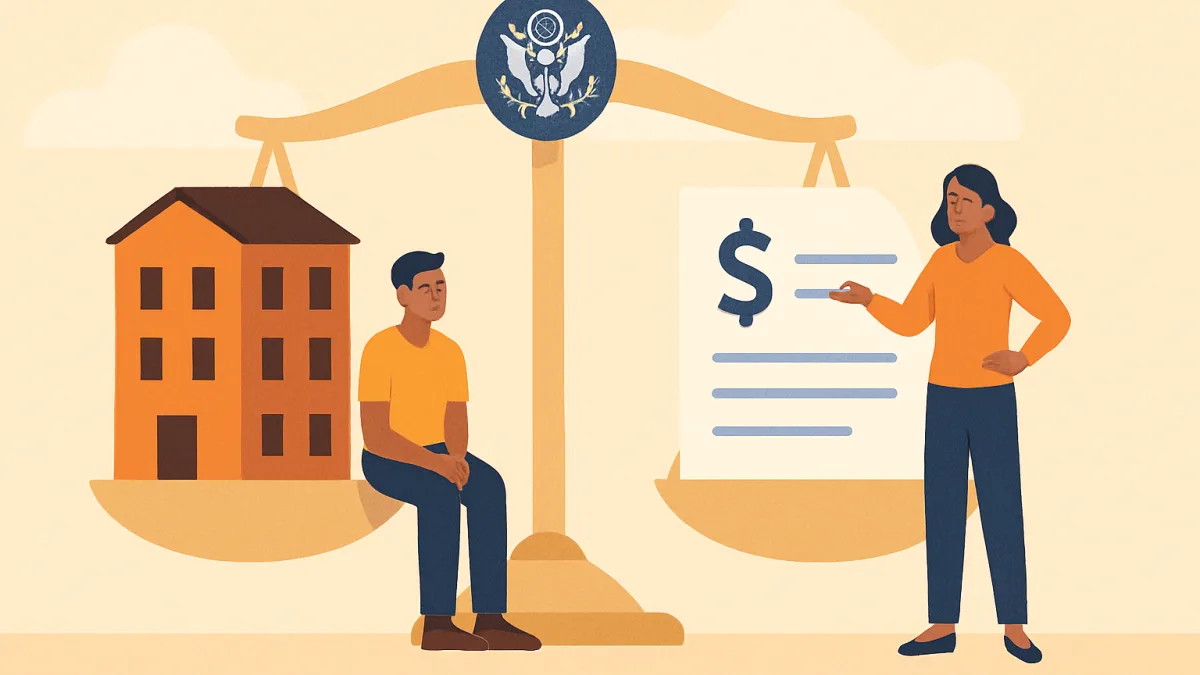
Affordable housing is one of the most pressing needs for many families, and the federal government offers two major programs to help: public housing and the Housing Choice Voucher Program (often called Section 8). Both are administered locally by public housing agencies (PHAs) and overseen by the U.S. Department of Housing and Urban Development (HUD). Understanding how they differ can help you decide which path fits your family best.
Anúncios
How Public Housing Works
Public housing consists of rental units owned and managed by a local public housing agency. These can range from single-family homes to apartment buildings. When you live in public housing, your rent is based on your income, typically around 30 percent of your adjusted monthly income, and the PHA maintains the property.
Public housing is designed to provide decent and safe rental options for low-income families. The units are often located in various neighborhoods, and the PHA is responsible for upkeep and repairs, which means tenants don't have to worry about maintenance issues.
Cursos Gratuitos con Certificado:
Aumenta tu salario con cursos online.
Ver cursosYou will stay on this siteAdvantages of public housing include:
Anúncios
- Rent tied directly to your income, which adjusts if your earnings change.
- Maintenance handled by the housing agency.
- A fixed location managed by the PHA, ensuring stability for residents.
The trade-off is less choice in where you live, since you must rent a unit owned by the agency, and availability depends on what is open in your area. This can sometimes lead to long waiting times for a suitable unit.
How Housing Choice Vouchers Work
The Housing Choice Voucher Program helps you rent housing on the private market. Instead of living in a government-owned unit, you find a home, apartment, or even some single-family rentals from a landlord willing to participate. The PHA pays a portion of the rent directly to the landlord, and you pay the difference, generally about 30 percent of your income.
This program provides more flexibility than public housing, allowing families to choose where they want to live, which can be particularly beneficial for those seeking better educational or employment opportunities.
Advantages of vouchers include:
- Freedom to choose housing in many neighborhoods, including areas with better schools or jobs.
- Portability, meaning you can often take your voucher to another city or state.
- The ability to stay in a home you like as long as it meets program standards and the landlord participates.
The main challenges are finding a landlord who accepts vouchers and ensuring the unit passes a required health and safety inspection. This can be particularly difficult in competitive housing markets where many landlords may not be familiar with the voucher program.
Who Qualifies
Both programs serve low-income families, the elderly, and people with disabilities. Eligibility is based primarily on:
- Income, which must fall below limits set by HUD for your area and family size.
- Family status and citizenship or eligible immigration status.
- Background, since agencies review rental history and certain records, including criminal background checks in some cases.
Income limits vary by location and change over time, so check with your local PHA or the official program site for current figures. As of 2023, income limits for a family of four in most areas typically range from $50,000 to $70,000 annually, depending on the local median income.
Comparing the Two
Choose public housing if you:
- Prefer a unit where maintenance is handled by the agency.
- Are comfortable living in housing the PHA owns.
- Want a straightforward, agency-managed arrangement.
Choose a voucher if you:
- Want more control over where you live.
- Value the ability to move while keeping assistance.
- Can find a participating landlord in your desired area.
How to Apply
Both programs are administered by local public housing agencies, and many have waiting lists, so apply early and to more than one program if possible. Here’s a step-by-step guide on how to apply:
- Find your local PHA through HUD's website.
- Complete the application and provide proof of income, identity, and household details. This may include pay stubs, tax returns, and identification documents.
- Join the waiting list and respond promptly to any requests so you do not lose your place. It’s important to keep your contact information up to date with the PHA.
To find your local agency and learn more, visit HUD at https://www.hud.gov.
Common Mistakes to Avoid
When applying for public housing or housing vouchers, there are several common mistakes that applicants should avoid:
- Missing deadlines: Many PHAs have strict deadlines for applications and responses. Keep track of your application status and be prompt in your communications.
- Inaccurate information: Ensure all the details you provide in your application are correct and up to date. Inaccuracies can lead to delays or denials.
- Not following up: If you haven’t heard back after applying, it’s crucial to follow up with the PHA to check on your status.
- Ignoring eligibility requirements: Make sure you fully understand the eligibility requirements and have all necessary documentation ready when you apply.
Practical Tips for Success
Here are some practical tips to enhance your chances of successfully securing affordable housing:
- Gather documentation early: Collect all necessary documents ahead of time, such as income verification, tax returns, and identification.
- Stay organized: Keep copies of your application and correspondence with the PHA. This will help if you need to reference past communications.
- Network with others: Talk to friends, family, or community members who may have gone through the process. They can offer valuable insights and tips.
- Consider multiple applications: Apply for both public housing and vouchers to increase your chances of receiving assistance.
Frequently Asked Questions (FAQ)
1. How long is the waiting list for public housing or housing vouchers?
The waiting list can vary widely depending on the local PHA and demand in your area. Some waitlists can be several months to years long. It’s essential to apply early and check your application status regularly.
2. Can I apply for both public housing and housing vouchers at the same time?
Yes, many families choose to apply for both programs to improve their chances of receiving assistance. Each application is independent, so applying for both can provide more options.
3. What happens if my income increases after I receive assistance?
If your income increases, your rent in both public housing and with a housing voucher will typically adjust. In public housing, your rent will be recalculated based on your new income. For housing vouchers, you may still pay about 30 percent of your income toward rent, but the PHA will review your income periodically.
4. Can I move while receiving housing assistance?
If you are in public housing, moving can be more complicated, as you would generally need to end your lease and reapply for a new unit. However, with a housing voucher, you can often move to a new location, provided that you inform your PHA and find a participating landlord in the new area.
There is no single right answer; the best choice depends on your priorities, your local options, and the waiting lists in your area. Many families apply for both to improve their chances. By understanding how each program works, you can make an informed decision and take a confident step toward stable, affordable housing.