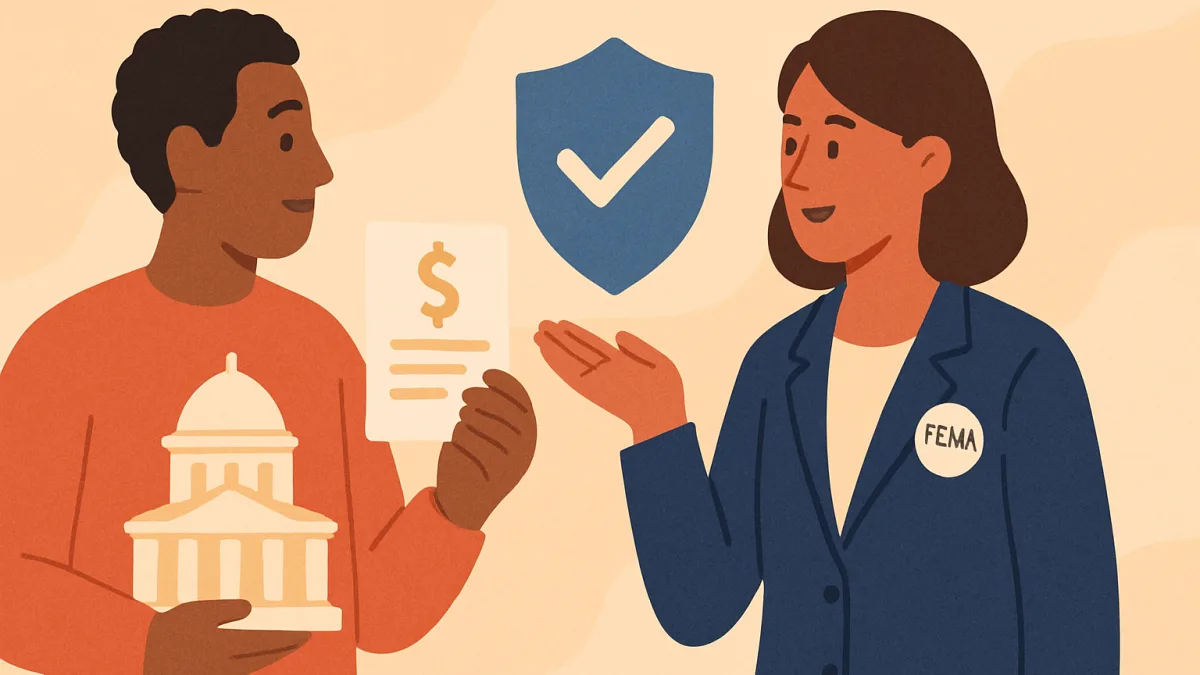
When a hurricane, flood, wildfire, tornado, or other disaster strikes, recovery can feel overwhelming. The Federal Emergency Management Agency (FEMA) provides assistance to help individuals and families get back on their feet after a federally declared disaster. Knowing how FEMA aid works and how to apply can make a difficult time a little more manageable. This article will guide you through the process, eligibility requirements, and additional resources available to assist you during recovery.
Anúncios
When FEMA Assistance Becomes Available
FEMA's Individual Assistance program is activated when the President declares a major disaster for an affected area. This declaration is usually requested by a state's governor after a disaster overwhelms local and state resources. Only residents of designated counties or areas are eligible, so the first step is to confirm that your area has been declared a disaster zone, which you can do on the FEMA website.
The declaration may cover various types of disasters, including natural disasters like hurricanes and earthquakes, as well as man-made disasters. Make sure to stay updated by checking local news or the FEMA website for announcements regarding disaster declarations.
Cursos Gratuitos con Certificado:
Aumenta tu salario con cursos online.
Ver cursosYou will stay on this siteWhat FEMA Can Help With
FEMA assistance is designed to help with serious, disaster-caused needs that are not covered by insurance or other sources. It is not meant to make you whole or replace insurance, but it can provide a crucial bridge. Help may include:
Anúncios
- Housing assistance for temporary lodging or rental help while your home is uninhabitable.
- Home repair funds to make your primary residence safe and livable.
- Other needs assistance for essential items such as personal property, transportation, medical, and funeral expenses caused by the disaster.
If you have insurance, you should file an insurance claim first, since FEMA cannot duplicate benefits your insurance covers. FEMA may help with eligible costs your insurance does not cover, but it’s essential to document all your expenses and losses thoroughly.
Who Qualifies
To be eligible for FEMA assistance, you generally must meet the following criteria:
- Live in an area covered by the federal disaster declaration.
- Be a U.S. citizen, non-citizen national, or qualified non-citizen.
- Have disaster-caused expenses or serious needs not covered by insurance.
- Show that the damaged home is your primary residence.
FEMA will verify your identity, occupancy, and losses, often through an inspection. Therefore, it's crucial to keep records and photos of the damage. You can also prepare a list of damaged items, including their value and purchase date, to streamline the process.
How to Apply
You can apply for FEMA assistance in several ways once your area is declared a disaster zone:
- Apply online at https://www.disasterassistance.gov.
- Use the FEMA mobile app, available on both iOS and Android.
- Call the FEMA helpline at 1-800-621-FEMA (3362).
- Visit a Disaster Recovery Center if one is set up in your area.
When you apply, have the following information ready:
- Your Social Security number.
- Insurance information, including policy numbers.
- A detailed description of the damage to your home and personal property.
- Your bank information for direct deposit of any funds.
- Current contact details, including email and phone number.
Apply as soon as possible, because there is typically a deadline after the disaster declaration. Missing this window can significantly impact your ability to receive assistance.
What Happens After You Apply
After applying, FEMA may schedule an inspection to assess the damage. This inspection is a critical step, as it helps determine your eligibility and the amount of assistance you may receive. You will receive a decision letter explaining whether you are approved and for what. Read it carefully.
If you are denied or disagree with the amount, you have the right to appeal. Many applicants succeed after providing additional documentation that supports their claims. To strengthen your appeal, consider including:
- Additional photographs of the damage.
- Receipts or records of expenses incurred due to the disaster.
- Statements from contractors or professionals regarding the extent of repairs needed.
Keep copies of all letters and receipts related to your recovery, as this documentation can be helpful for any future claims or appeals.
Common Mistakes to Avoid
When applying for FEMA assistance, it's important to avoid common mistakes that could delay or hinder your application. Here are some tips:
- Waiting too long to apply: Always apply as soon as possible after a disaster declaration. Delays can lead to missed deadlines.
- Incomplete applications: Ensure that you provide all required information and documentation. Double-check your application before submission.
- Not following up: If you haven’t heard back from FEMA within a few weeks, follow up on the status of your application.
- Neglecting to appeal: If denied, don’t give up. Many applicants find success upon appeal, especially with additional documentation.
Other Disaster Resources
FEMA is not the only source of help available during recovery. Various organizations and programs can provide additional support:
- The U.S. Small Business Administration offers low-interest disaster loans to homeowners, renters, and businesses that need to repair or replace damaged property.
- Disaster Unemployment Assistance may help individuals who lost work due to the disaster.
- Organizations like the American Red Cross provide immediate shelter and supplies to those affected by disasters.
- Dialing 211 can connect you to local recovery resources, including food banks, housing assistance, and mental health services.
Recovering from a disaster takes time, but you do not have to do it alone. Various resources are available to help you navigate this challenging period.
Practical Tips for Recovery
Here are some practical tips to help you through the recovery process:
- Document Everything: Keep detailed records of all damages, expenses, and communications with FEMA and other agencies.
- Stay Organized: Create a recovery folder or binder to keep all documents, receipts, and correspondence together.
- Reach Out: Don’t hesitate to contact local organizations or support groups for help. Many people are willing to assist those in need.
- Take Care of Yourself: Disasters can be traumatic. Make sure to take care of your mental health and seek professional help if needed.
Frequently Asked Questions (FAQ)
1. How long does it take to receive FEMA assistance?
The timeline can vary, but many applicants receive a decision within a few weeks of applying. It may take longer if additional documentation is required or if there are a high volume of applications.
2. Can I apply for FEMA assistance if I have insurance?
Yes, you can apply for FEMA assistance even if you have insurance. However, you must first file a claim with your insurance company. FEMA can help with costs that are not covered by your insurance.
3. What if I need help with my application?
If you need assistance with your application, you can contact the FEMA helpline or visit a Disaster Recovery Center. Local organizations may also offer support in completing applications.
4. What should I do if my application is denied?
If your application is denied, read the decision letter carefully to understand the reason. You can appeal the decision and provide additional documentation if necessary. Many applicants succeed on appeal by clarifying their situations and presenting new evidence.
To check your eligibility and apply, visit https://www.fema.gov or https://www.disasterassistance.gov. Acting promptly and keeping good records will help you access the support available to rebuild your life.