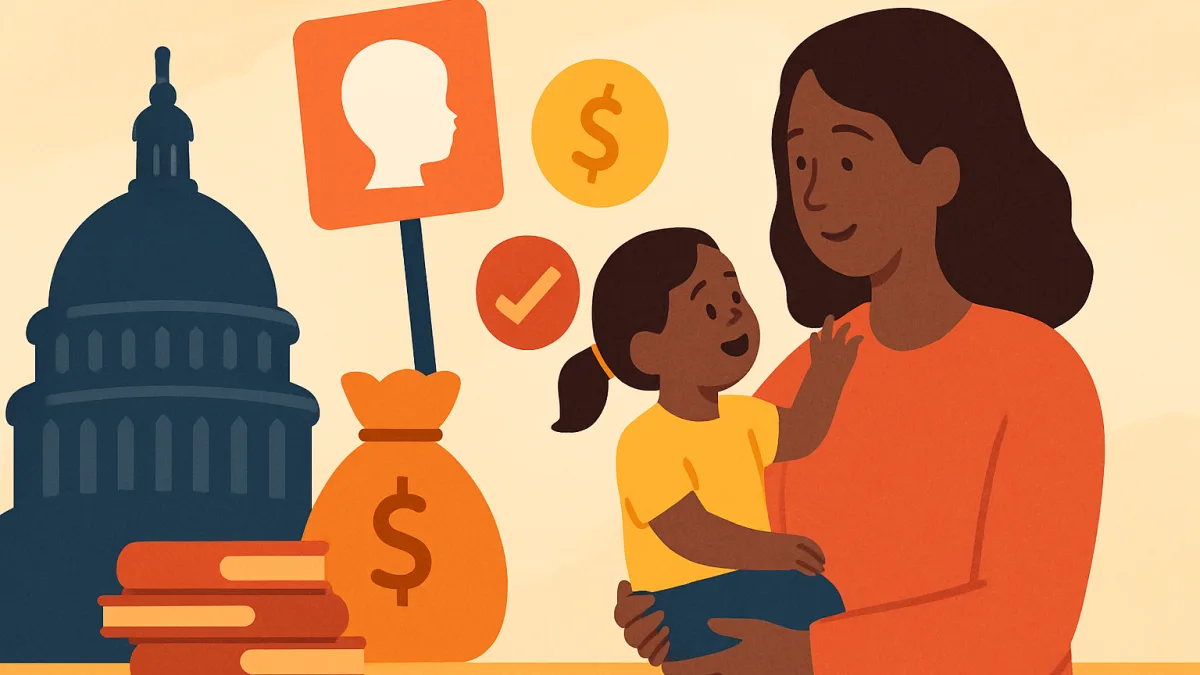
The years before kindergarten are crucial in shaping a child's lifelong learning, health, and confidence. For families with limited income, Head Start and Early Head Start offer free, high-quality early childhood programs designed to give young children a strong foundation. More than just a preschool, Head Start supports the entire family with education, health screenings, nutrition, and connections to community resources.
Anúncios
What Head Start Provides
Head Start is a federal program administered by the Administration for Children and Families (ACF) within the U.S. Department of Health and Human Services. It serves children from birth to age five through two main tracks:
- Early Head Start: Serves pregnant women, infants, and toddlers up to age three.
- Head Start: Serves preschool-age children, generally ages three to five.
Programs focus on early learning and school readiness, but they also include developmental and health screenings, dental and vision checks, nutritious meals, and support for children with disabilities. Importantly, Head Start treats parents as partners, offering parenting resources, job training referrals, and help in reaching family goals.
Cursos Gratuitos con Certificado:
Aumenta tu salario con cursos online.
Ver cursosYou will stay on this siteWho Qualifies
Eligibility for Head Start programs is primarily based on family income and circumstances. Families with incomes at or below the federal poverty guidelines generally qualify. However, there are other criteria that can grant automatic eligibility:
Anúncios
- Families receiving public assistance benefits such as Temporary Assistance for Needy Families (TANF) or Supplemental Nutrition Assistance Program (SNAP).
- Children in foster care.
- Families experiencing homelessness.
Programs must also reserve a portion of their enrollment for children with disabilities. Some programs can enroll a limited number of children from families slightly above the income limit when space allows. It is important to note that income thresholds change annually, so check the official program site for current figures, and ask your local program about its specific rules.
Detailed Eligibility Criteria
The eligibility criteria for Head Start can be quite specific. Here are some key points to consider:
- Income Limits: The federal poverty guideline is updated each year. In 2023, for example, the guideline for a family of four is around $30,000. Families with incomes above this threshold may still qualify if they have other qualifying circumstances.
- Public Assistance: Receiving public assistance automatically qualifies children for Head Start, emphasizing the program's commitment to supporting the most vulnerable families.
- Disability Needs: Programs are required to serve a minimum percentage of children with disabilities, ensuring that children who need extra support receive it.
How to Find and Enroll in a Program
Head Start programs are run locally by school districts, nonprofits, community action agencies, and tribal organizations, which means availability and enrollment timing can vary by area. To get started with finding and enrolling in a program, follow these steps:
- Use the Head Start Locator Tool: Visit the ACF website and use their Head Start locator tool to find programs near you.
- Contact the Program Directly: Once you find a program, reach out to them to inquire about openings, age requirements, and the application process.
- Gather Required Documents: Prepare documents you may need, such as proof of income (like tax returns or pay stubs), your child's birth certificate, and immunization records.
- Complete the Application: Fill out the application form and attend any enrollment interview the program requests. Provide any additional information they might need.
Some programs maintain waiting lists, so it is wise to apply early and to apply to more than one program if several serve your area. This strategy increases your chances of securing a spot.
The Benefits for Children and Families
Decades of research show that quality early childhood education supports stronger language, social, and problem-solving skills. Children who attend Head Start often enter kindergarten better prepared and more confident. Specific benefits include:
- Enhanced School Readiness: Children develop critical cognitive and social skills that help them succeed in school.
- Health and Nutrition: Access to nutritious meals and health screenings helps children maintain good health and well-being.
- Parental Involvement: Parents gain valuable resources and support, enabling them to become better advocates for their children's education.
- Community Connections: Families can connect with other parents and community resources, fostering a support network that can help in various areas of life.
Cost and Availability
Head Start and Early Head Start are free to eligible families. There is no tuition cost associated with these programs. However, due to limited funding, not every eligible child can be served immediately. This scarcity is another reason to apply as early as possible and to stay in touch with your local program about openings.
To learn more about the program, eligibility, and how to find a center near you, visit the Administration for Children and Families at https://www.acf.hhs.gov. Investing a little time now to enroll your child can pay lifelong dividends in their education and well-being.
Step-by-Step Instructions for a Successful Application
To ensure a smooth application process, follow these detailed instructions:
- Research Programs: Look for multiple Head Start centers in your area to maximize options.
- Prepare Documentation: Collect necessary documents, such as proof of income, child's birth certificate, and immunization records.
- Fill Out Application: Be thorough and accurate when filling out the application. Double-check for any missing information.
- Submit the Application: Follow the submission guidelines provided by the program, whether online, by mail, or in person.
- Attend Interviews: If required, attend any interviews or orientation sessions to learn more about the program and expectations.
- Follow Up: After submitting your application, check in with the program to confirm receipt and inquire about the timeline for decisions.
Common Mistakes to Avoid
Here are some common pitfalls to avoid during the application process:
- Missing Documents: Ensure you have all required documents before submitting your application to avoid delays.
- Waiting Too Long to Apply: Many programs have limited spots, so apply as early as possible.
- Ignoring Deadlines: Be aware of deadlines for applications and follow up promptly.
- Not Following Directions: Carefully read and follow all instructions provided in the application process.
Practical Tips for Families
To maximize your experience with Head Start, consider these practical tips:
- Engage with Staff: Build a relationship with teachers and staff at your child's program; they can provide valuable insights and resources.
- Participate in Activities: Get involved in family events and workshops to strengthen your connection to the community and the program.
- Utilize Resources: Take advantage of the additional services offered, such as health screenings and educational workshops.
Frequently Asked Questions (FAQ)
1. What should I do if I miss the application deadline?
If you miss the application deadline, contact the program directly to inquire about late enrollment options or potential waiting lists.
2. Can I apply for Head Start if my income is slightly above the poverty line?
Yes, some programs can enroll a limited number of children from families slightly above the income limit if space allows. Check with local programs for their specific rules.
3. How do Head Start programs support children with disabilities?
Head Start programs are required to reserve a portion of their slots for children with disabilities and provide individualized support to meet their unique needs.
4. Are there full-day options available?
Yes, many Head Start programs offer full-day and full-year options to accommodate working parents while providing enriching care for their children.