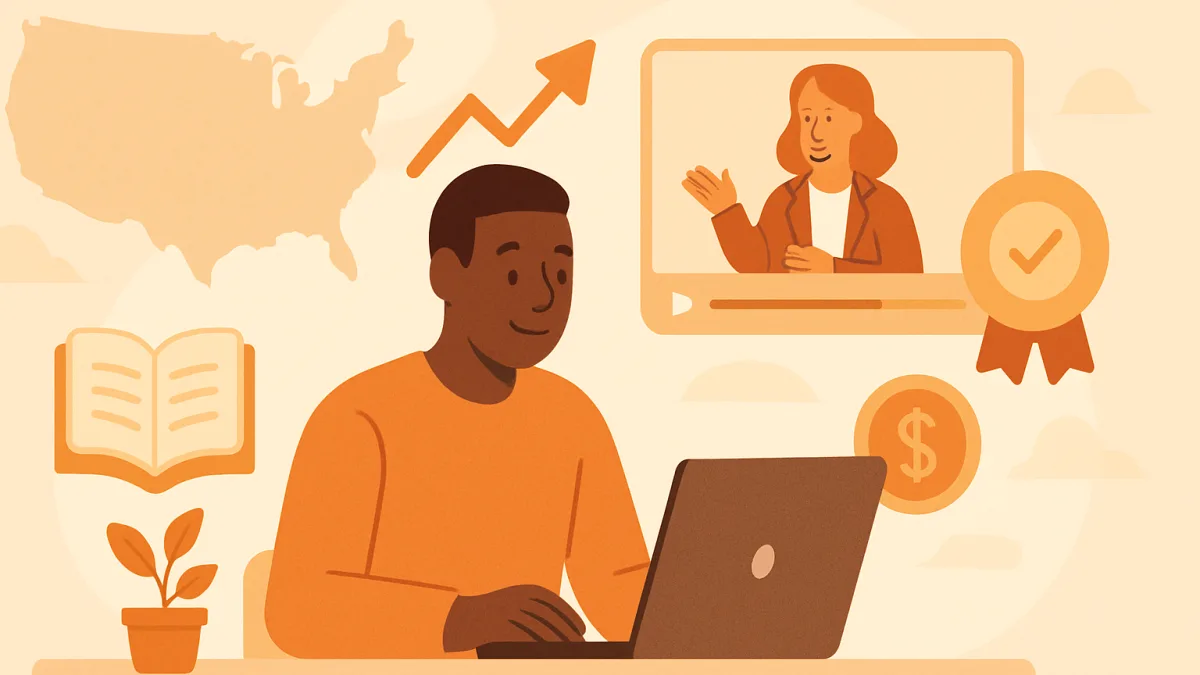
You do not need an expensive degree to learn valuable, job-ready skills. Today, some of the best educational content in the world is available online for free. Whether you want to switch careers, earn a promotion, or simply stay competitive, free online courses can help you build skills employers actually want. Here is how to find and use them wisely.
Anúncios
Why Free Online Courses Are Worth Your Time
Online learning has become mainstream, and employers increasingly value skills and certificates alongside traditional degrees. Free courses let you:
- Test out a new field before committing time and money.
- Fill gaps in your knowledge for a specific job.
- Earn certificates you can list on your resume and professional profiles.
- Learn at your own pace, around work and family schedules.
Skills That Are In Demand
If you are not sure where to start, focus on skills that apply across many industries and tend to raise your earning potential.
Cursos Gratuitos con Certificado:
Aumenta tu salario con cursos online.
Ver cursosYou will stay on this siteTechnology and Data
- Basic coding and web development.
- Spreadsheet and data analysis skills.
- Cybersecurity fundamentals.
Business and Communication
- Project management basics.
- Digital marketing and social media.
- Writing, customer service, and presentation skills.
Skilled Trades and Healthcare
- Introductory courses in healthcare support roles.
- Safety certifications and technical fundamentals.
Where to Find Quality Free Courses
Many trustworthy platforms offer free learning, though some charge only if you want a certificate or graded assignments. Reputable options include large university course platforms, nonprofit learning sites, and public resources. A great place to begin is CareerOneStop, sponsored by the U.S. Department of Labor, which links to free training resources and helps you explore careers and required skills.
Anúncios
Your local library and American Job Center may also offer free access to premium learning platforms and instructor-led courses you would otherwise have to pay for.
How to Choose the Right Course
With so many options, it helps to be strategic. Before enrolling, ask yourself:
- Does it match my goal? Choose courses tied to a specific job or skill you want.
- Is it from a credible source? Look for courses from recognized universities, companies, or government-backed sites.
- Will I get proof of completion? A certificate can strengthen your resume.
- Can I realistically finish it? Check the time commitment and pick something you can complete.
Detailed Eligibility for Free Online Courses
Most free online courses are accessible to anyone, but certain platforms or specific courses may have unique eligibility requirements. Here are some common criteria:
- Age: Many courses do not have age restrictions, but some may require you to be 18 years or older.
- Technical Requirements: You may need a device with internet access. Some courses may also require specific software or applications.
- Prerequisites: Certain advanced courses might require previous knowledge or completion of introductory courses.
- Enrollment Periods: Some courses are open for a limited time, so be sure to enroll during the registration period.
Step-by-Step Instructions for Enrolling in a Course
Enrolling in a free online course can be straightforward. Follow these steps to get started:
- Identify Your Goals: Decide what skills you want to learn or improve.
- Research Courses: Use platforms like Coursera, edX, or Khan Academy to find relevant courses.
- Check Requirements: Review any prerequisites and ensure you meet the eligibility criteria.
- Sign Up: Create an account on the course platform. This usually involves providing an email address and creating a password.
- Enroll in the Course: Select the course you want and click the "Enroll" or "Register" button.
- Start Learning: Access the course materials and set a schedule for your study sessions.
Common Mistakes to Avoid
As you embark on your learning journey, be aware of these common mistakes:
- Skipping Course Reviews: Always check reviews and feedback from other learners before enrolling.
- Overloading Yourself: Be realistic about the number of courses you can take simultaneously.
- Ignoring Deadlines: Some courses have deadlines for assignments or exams, so keep track of them.
- Neglecting Networking Opportunities: Engage with course forums and connect with fellow students to expand your network.
Practical Tips for Successful Online Learning
Maximize your online learning experience with these strategies:
- Create a Study Schedule: Set aside specific times for studying to build a routine.
- Limit Distractions: Find a quiet space to study where you can focus on your coursework.
- Take Notes: Jot down key points to reinforce your learning and make it easier to review later.
- Engage Actively: Participate in discussions, complete assignments, and ask questions to deepen your understanding.
Make Your Learning Count
Taking a course is only the first step. To turn learning into career growth:
- Add completed courses and certificates to your resume and online profiles.
- Apply new skills to real projects, even small ones, to build confidence.
- Mention your learning during interviews to show initiative.
- Keep a simple record of what you studied and what you can now do.
Employers respond well to candidates who take charge of their own growth. Showing that you invest in yourself signals motivation and adaptability.
Start Today
The barrier to learning has never been lower. With free courses available at your fingertips, the only thing standing between you and new skills is getting started. Pick one course that aligns with your career goals, commit to finishing it, and use what you learn to move forward. Over time, these small steps can add up to real, lasting career growth.
Frequently Asked Questions
1. Are free online courses really worth my time?
Yes! Free online courses can provide valuable skills and knowledge that can help you advance in your career or transition to a new field. Many employers value the skills and certificates earned from these courses.
2. Can I get a job with just free online courses?
While free online courses can enhance your skills and improve your employability, they are often best complemented by practical experience or traditional education. Many successful professionals have used these courses to gain new skills and advance their careers.
3. How do I know if a course is good quality?
Look for courses offered by reputable institutions, read reviews from past students, and check the instructor's credentials. Courses that offer certificates from well-known universities or organizations often indicate quality content.
4. What if I struggle with self-motivation in online courses?
Set clear goals, create a study schedule, and find an accountability partner to help you stay on track. Engaging with fellow learners in forums can also motivate you to keep going.