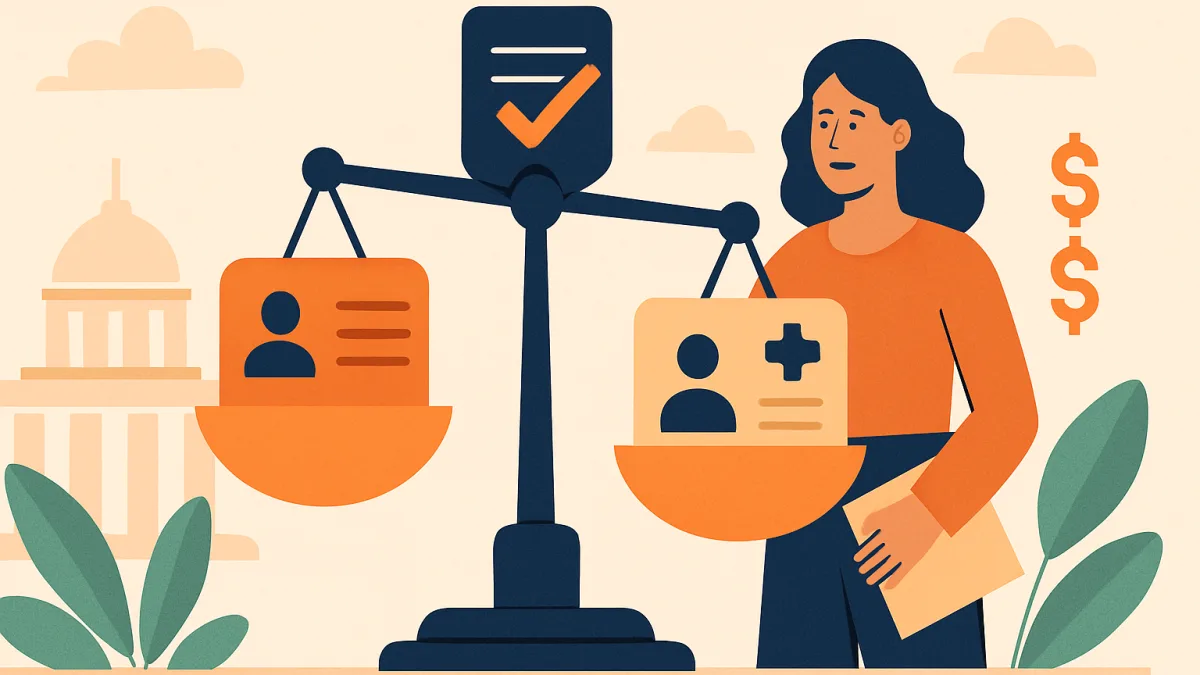
Medicaid and Medicare are two of the largest government health programs in the United States, and their similar names often lead to confusion. Although both programs help people access health care, they serve different groups and operate in distinct ways. Understanding the key differences can help you determine which program fits your situation best, or whether you might qualify for both. This article will provide an in-depth look at both programs, including eligibility requirements, coverage details, costs, and tips for navigating the application process.
Anúncios
The Basic Difference
The simplest way to differentiate between the two programs is by who they serve. Medicare is primarily for people age 65 and older, as well as certain younger individuals with disabilities. Medicaid is designed for people with limited income and resources, regardless of their age. In essence, Medicare is generally based on age and work history, while Medicaid is based on financial need. Therefore, understanding your age, income, and health status is crucial in determining which program may be right for you.
Who Runs Each Program?
Medicare is a federal program with the same basic rules and benefits across all states. You can learn more about Medicare through the official government resources at https://www.usa.gov or directly from Medicare’s official website. Medicaid, on the other hand, is a joint federal-state program. Each state administers its own version of Medicaid within federal guidelines, which means eligibility and benefits can vary significantly by location. For more information on your specific state's Medicaid program, visit https://www.medicaid.gov.
Cursos Gratuitos con Certificado:
Aumenta tu salario con cursos online.
Ver cursosYou will stay on this siteEligibility at a Glance
Medicare Eligibility
- People age 65 and older who have worked and paid Medicare taxes for a minimum required period.
- Younger individuals receiving Social Security Disability Insurance (SSDI) benefits for at least 24 months.
- People with specific medical conditions, such as end-stage renal disease (ESRD) or amyotrophic lateral sclerosis (ALS).
Medicaid Eligibility
- Low-income adults, children, and families.
- Pregnant women, who may have different income thresholds.
- Seniors and individuals with disabilities who meet state-specific income and asset limits.
What Each Program Covers
Medicare is organized into parts, each covering different services:
Anúncios
- Part A: Covers inpatient hospital stays, skilled nursing facility care, hospice care, and some home health care.
- Part B: Covers outpatient care, doctor visits, preventive services, and some home health care.
- Part C: Also known as Medicare Advantage, this plan is offered by private companies and bundles coverage from Parts A and B, often including additional benefits.
- Part D: Provides prescription drug coverage through private insurance plans.
Medicare typically involves various costs, including premiums, deductibles, and copayments, which can add up over time.
Medicaid, in contrast, usually offers more comprehensive coverage with little to no cost to the beneficiary. It often includes services that Medicare does not fully address, such as:
- Long-term nursing home care.
- Personal care services, such as help with daily activities.
- Transportation to medical appointments.
- Behavioral health services.
Exact benefits and services covered can vary by state, so it's important to check your state’s Medicaid program for details.
Cost Comparison
Cost is a significant practical difference between the two programs:
- Medicare: Generally involves monthly premiums, annual deductibles, and cost-sharing. Many beneficiaries choose to purchase supplemental coverage (Medigap) to help with out-of-pocket costs.
- Medicaid: Typically free or very low cost, as it is designed to assist individuals with limited income.
Can You Have Both?
Yes, some individuals qualify for both Medicare and Medicaid, commonly referred to as "dual eligibles." This situation typically applies to seniors or individuals with disabilities who have very low incomes. When someone has both programs, Medicare usually pays first for covered services, while Medicaid helps cover remaining costs such as premiums, deductibles, and services not covered by Medicare. This combination can significantly reduce out-of-pocket health care expenses and provide a wider range of services.
Which One Is Right for You?
If you are nearing age 65 or already receiving Social Security disability benefits, Medicare is likely your best option. If your income is limited, Medicaid may be available to you regardless of age. Additionally, if you meet the criteria for both programs, applying for each can provide you with the most comprehensive health coverage available.
Step-by-Step Instructions to Apply
Applying for Medicare:
- Visit the official Medicare website or call 1-800-MEDICARE (1-800-633-4227).
- Gather necessary documents, including your Social Security number, proof of age, and work history.
- Fill out the application, either online or via paper form, and submit it.
- Wait for confirmation of your enrollment, which typically occurs a few weeks before your 65th birthday or after your SSDI eligibility period of 24 months.
Applying for Medicaid:
- Visit your state’s Medicaid website for specific information.
- Check the eligibility criteria based on your income and household size.
- Gather required documents, such as proof of income, residency, and family size.
- Complete the application online, by mail, or in person at your local Medicaid office.
- Receive a determination on your eligibility, which may take several weeks.
Common Mistakes to Avoid
- Not Applying on Time: Many people miss deadlines for enrollment, especially for Medicare. Be aware of your initial enrollment period and special enrollment opportunities.
- Assuming You Don't Qualify: Even if you think your income is too high, it's worth checking both programs’ eligibility requirements. Some states have expanded Medicaid eligibility.
- Overlooking Supplemental Coverage: If you have Medicare, consider purchasing a Medigap policy to help with out-of-pocket expenses.
- Failing to Update Your Information: If your income or household situation changes, inform Medicaid or Medicare, as it may affect your eligibility.
Practical Tips for Navigating the Process
- Keep thorough records of your medical expenses and communications with healthcare providers.
- Utilize the resources available at Medicare’s website and Medicaid’s website for up-to-date information.
- Consider contacting a local health advocacy group or a benefits counselor for assistance with the application process.
- Regularly review your coverage and benefits to ensure you are getting the most out of your plan.
Frequently Asked Questions (FAQ)
Can I have both Medicare and Medicaid at the same time?
Yes, many people qualify for both programs and can receive benefits from both. This is referred to as being "dual eligible."
What is the difference in coverage for prescription drugs?
Medicare Part D covers prescription drugs, but Medicaid may also provide coverage for medications. Check your state's Medicaid program for specific details on drug coverage.
How do I find a doctor who accepts Medicare or Medicaid?
You can use the provider directory on the Medicare or Medicaid website to find healthcare providers who accept each program in your area.
What should I do if my application for Medicaid is denied?
If your application is denied, you have the right to appeal the decision. Review the denial letter for specific reasons and follow the appeal process outlined in the letter.
Understanding the difference between Medicaid and Medicare, along with their eligibility requirements and coverage, empowers you to make informed decisions about your health care. Whether you qualify for one or both programs, knowing your options is essential for maximizing your health care benefits.